
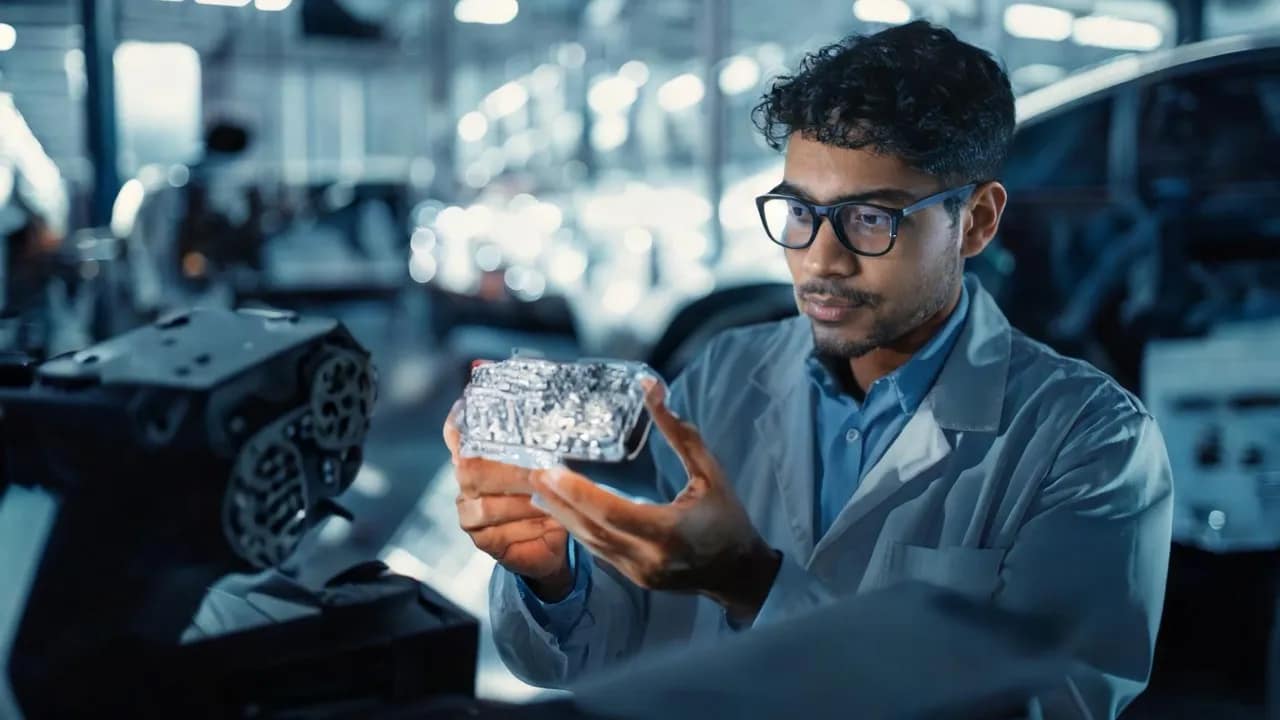
In the quest for safer vehicles, one often overlooked player is plastic. While steel and aluminum dominate the conversation when it comes to structural integrity, plastics play a critical role in enhancing vehicle safety. From crumple zones to airbags, these versatile materials are integrated into various automotive components, making them essential to modern vehicle design. This article explores the numerous ways plastics contribute to vehicle safety, often serving as the unsung heroes of the automotive industry.
1. Crumple Zones: The Absorbers of Impact
Crumple zones are specially designed areas of a vehicle that deform and absorb energy during a collision, reducing the force transmitted to the occupants. Plastics, such as polypropylene and polyethylene, are lightweight yet effective materials used in these zones. Their ability to crush and absorb impact energy significantly enhances occupant protection in crashes. By strategically incorporating plastics into crumple zones, manufacturers can reduce vehicle weight while maintaining structural integrity, ultimately improving fuel efficiency without compromising safety.

2. Airbags: Dependable Deployment
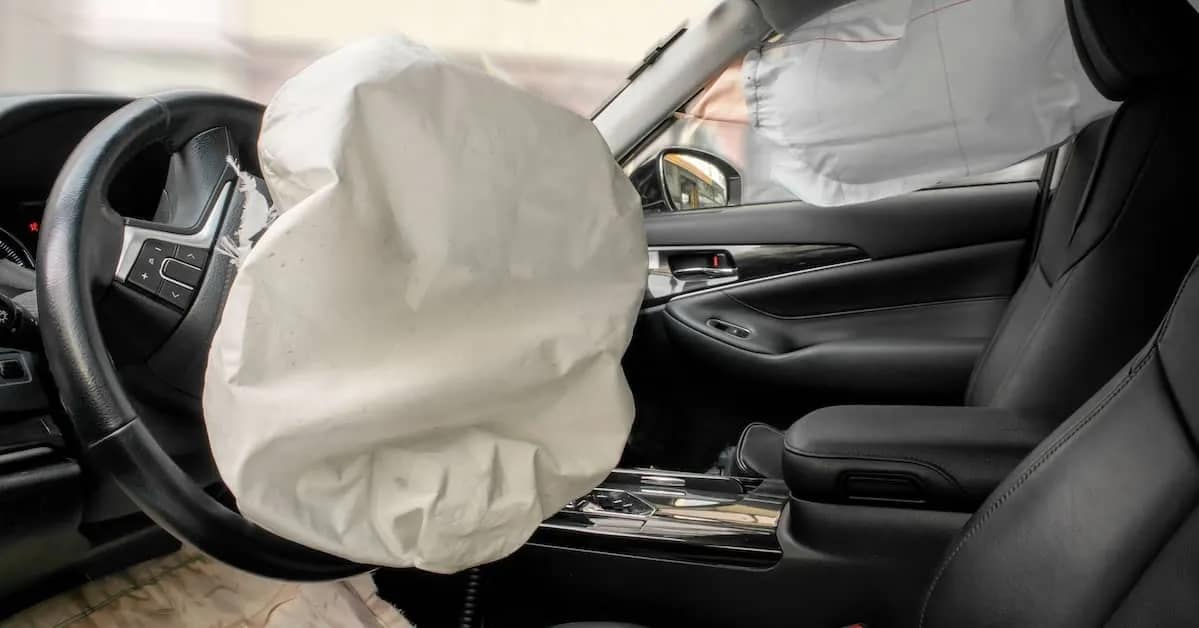
Airbags have become a standard safety feature in modern vehicles, providing a crucial buffer between occupants and the hard surfaces of the car during a collision. The deployment mechanism relies on a series of plastic components that house the airbag system. High-performance nylon and polyester fabrics, combined with advanced plastic materials, ensure that airbags deploy rapidly and effectively. Moreover, the plastic casing protects the airbag during non-collision scenarios, ensuring reliability and readiness when needed.
3. Impact-Resistant Materials: Shields Against Collisions
Plastics are often engineered to be impact-resistant, making them ideal for various safety-related components in vehicles. For instance, front and rear bumpers made from reinforced plastics can absorb and disperse energy during minor collisions, minimizing damage to the vehicle and protecting the occupants. Additionally, polycarbonate, known for its strength and lightweight properties, is used in headlights and taillights, ensuring that these crucial components remain intact during impacts.

4. Seatbelts and Restraint Systems: The Role of Plastics
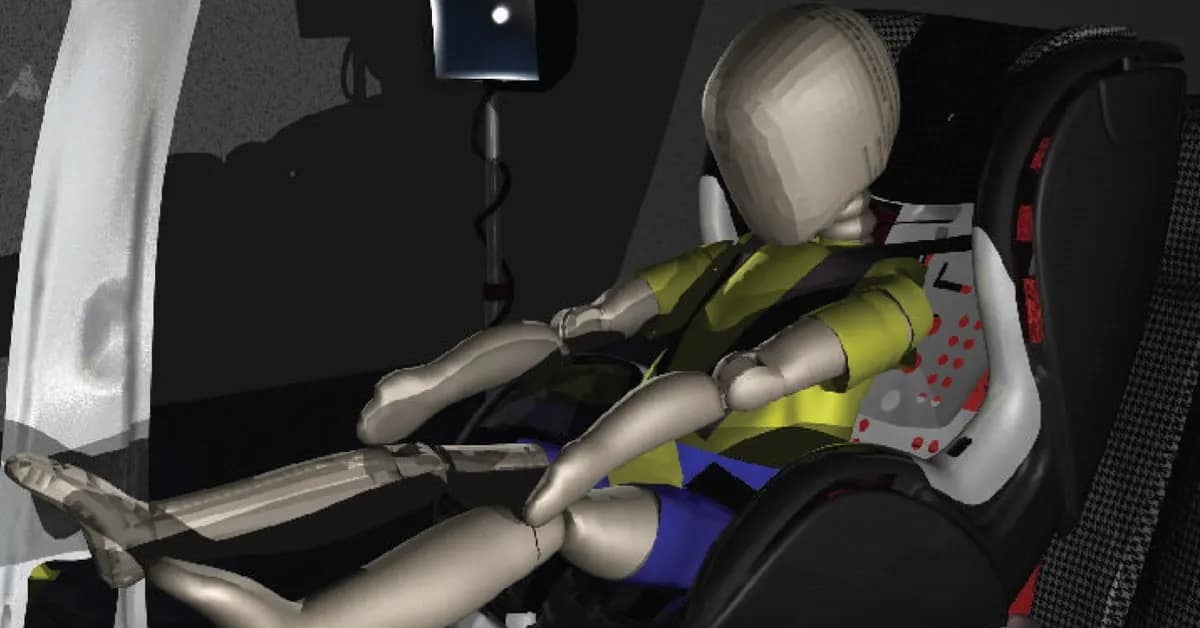
Seatbelt mechanisms and restraint systems often incorporate plastic components that contribute to their effectiveness and durability. For example, plastic housings protect the intricate mechanisms that lock and retract the seatbelt, ensuring they function correctly during a crash. Moreover, plastic materials used in the webbing and buckle systems provide the necessary strength and flexibility, enhancing the overall safety of the restraint systems.
5. Advanced Technology: Sensors and Safety Features
As vehicles become increasingly equipped with advanced safety features like collision avoidance systems, the role of plastics expands even further. Many sensors and cameras integrated into vehicles rely on lightweight plastic housings that protect the technology while ensuring optimal functionality. For example, the use of plastics in radar and camera systems allows for better integration into the vehicle’s design without adding significant weight.

6. Future Innovations: The Road Ahead
The automotive industry continues to evolve, with an increasing focus on safety and sustainability. Research is underway to develop new plastic materials that enhance safety features, such as self-healing plastics that can repair minor scratches and damage, improving longevity and aesthetics. Additionally, advances in composite materials may lead to lighter, stronger components that further enhance vehicle safety.

Conclusion
While often overshadowed by traditional materials, plastics are integral to vehicle safety. Their unique properties allow for innovative designs that protect occupants during collisions and contribute to the overall efficiency of modern vehicles. As the automotive industry continues to innovate, the role of plastics as the hidden heroes of vehicle safety will only grow, ensuring that safety remains at the forefront of automotive design. develop this articlE;
Conclusion
- Automotive Plastics Today: Safety Features
- Society of Automotive Engineers (SAE): Advances in Airbag Technology
- American Chemistry Council (ACC): Automotive Plastics
- AC Plastics Inc.: The Role of Plastics in Automotive Safety
- Plastics Today: Role of Plastics in Automotive Sensors
- Material Science Innovations for Automotive Safety


